

A Quick History of the Cook Islands
From fearless seafaring across the vast South Pacific to island colonisation and tribal life to European and missionary influence to becoming a self-governing state, the Cook Islands has a colourful history that is well worth exploring during your trip. The largest island, Rarotonga, has many historical sites to explore, while knowing a little context about the islands will simply help you appreciate your visit further.
Explore a captivating yet concise history of Rarotonga and the Cook Islands!
This article is based on real on-the-ground research, not on AI scraping old content from the internet. Learn how we use AI!
Table of Contents
A Brief Timeline of the Cook Islands' History
- 500 AD - 800 AD - Polynesian settlers arrive on Rarotonga and begin colonising other islands
- 1300s - Tangi'ia and Karika from Tahiti and Samoa conquer Rarotonga and divide it into six tribes
- 1595 - Pukapuka is first sighted by European explorer, Alvaro de Mendana
- 1773 - Captain Cook sights Manuae and the "Hervey Group" for the first time
- 1821 - British missionary, John Williams, leaves two Tahitian preachers to convert Aitutaki to Christianity
- 1823 - The first Cook Islands Christian Church is built in modern-day Arutanga
- 1888 - The Cook Islands becomes a British overseas protectorate to avoid French colonisation
- 1901 - New Zealand annexes the Cook Islands
- 1965 - The Cook Islands becomes a self-governing state in free association with New Zealand
- 2005 - Five cyclones strike the Cook Islands.
Polynesian Settlement: Who First Settled the Cook Islands?
Polynesian settlement across the South Pacific is thought to have started around 1500 BC. The first settlers in the Cook Islands came from the Society and Marquesas Islands (now French Polynesia), who had lived on the islands somewhere between 200 BC and 200 AD. From French Polynesia, vaka (canoes) travelled across the South Pacific to Rapa Nui, Hawaii, South America and to Rarotonga and the Cook Islands around 500 to 800 AD.
Soon after, more migrants made their way in their seafaring vaka from Rarotonga to Aotearoa New Zealand - as you'll notice that there are close ties between the Cook Islands and New Zealand Māori culture. Many Cook Islands Māori, however, stayed in the Cook Islands where history continued.
Early Life in the Cook Islands
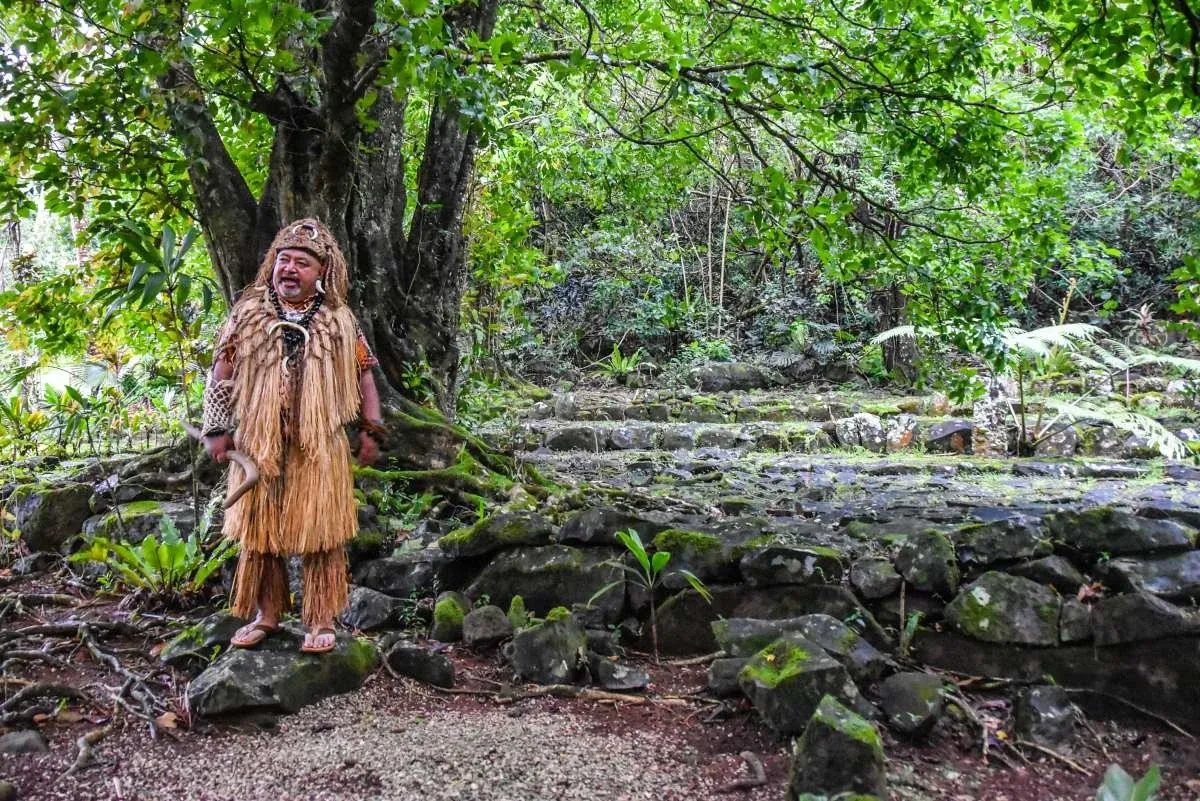
Oral history tells of the ariki (high chief), To'i, who built the ancient coral road of Ara Metua on Rarotonga sometime in the 11th century. In the 13th century, the arrival of Tangi'ia and Karika, chiefs from Tahiti and Samoa, arrived on their mighty vaka and conquered the resident population, founding the six main tribes of Rarotonga.
Every island in the Cook Islands was ruled by several ariki, with mataiapo (chiefs) and rangatira (sub-chiefs) beneath them. Land was divided into sections known as tapere, which is still how land is divided to this day. Check out The 5 Biggest Towns & Villages in Rarotonga & the Cook Islands for more information.
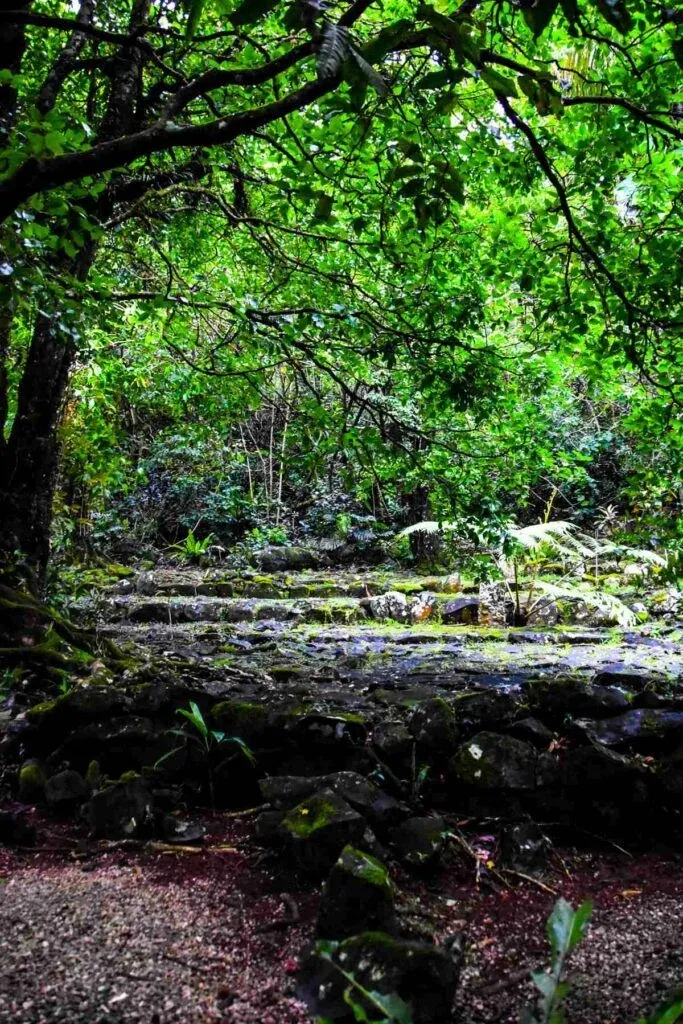
Each tribe had its own marae (sacred meeting place) and worshipped gods. The koutu was the most important meeting place of all, the ruling seat of the ariki, where many feasts, offerings and sacrifices were held.
You can see many well-preserved marae and koutu along the Ara Metua road of Rarotonga today. See the 10 Best Historical Sites on Rarotonga for more information.
European Explorers
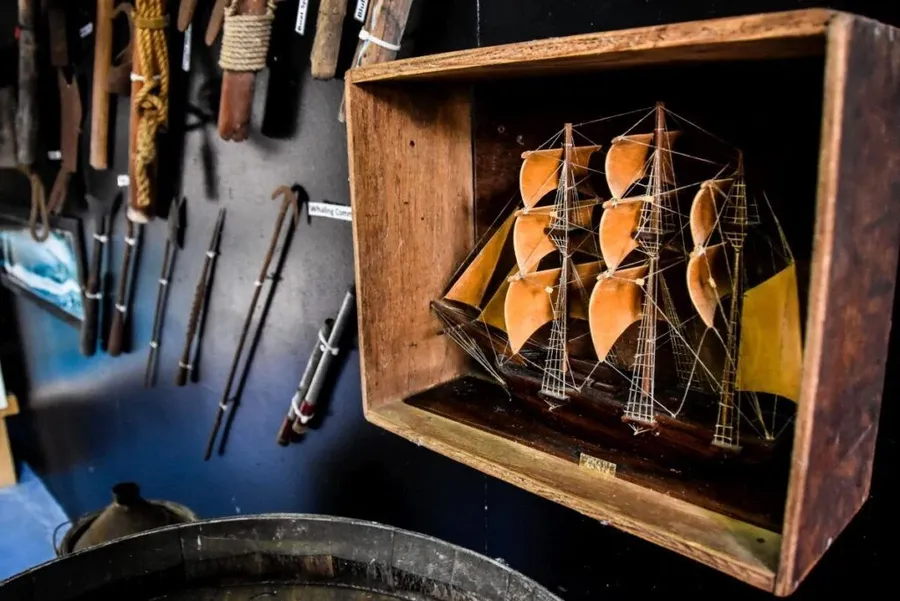
It wasn't until 1595 that the first European explorers sighted the Cook Islands. Alvaro de Mendana glimpsed Pukapuka, then in 1606, Pedro Fernandez de Quiros stopped by Rakahanga to stock up on supplies.
Did Captain Cook Visit the Cook Islands?
In 1773, English explorer Captain James Cook sighted Manuae. He and his crew on The Resolution subsequently sighted Palmerston, Takutea, Mangaia and eventually Atiu, where one of his lieutenants landed on the island in 1777.
The beach on Atiu can be visited, as listed in the 20 Best Things to Do on Atiu. Notably, Captain Cook himself only set foot on Palmerston in the "Cook" Islands. In fact, the captain named the islands the "Hervey Islands" after a British lord.
It was 50 years later that a Russian cartographer published the "Atlas de l'Ocean Pacifique" in which he renamed the islands in honour of Captain Cook.
Following the famous mutiny aboard The Bounty, Captain William Bligh first sighted Aitutaki in 1789.
![20 Best Things to Do on Aitutaki ???? [2023]](https://dupxn8wrxg546.cloudfront.net/media/cook-islands-Guided-Tour-Historic-Site-MUST-CREDIT-LINK-CookIslandsPocketGuide.com_-1024x768-900x675.webp?v=2026-06-27T00%3A51%3A18.912Z)
Christian Missionaries
While the Cook Islands' early culture had gone unchanged for centuries, the tides began to change with the influence of Christian missionaries.
The story starts with Reverend John Williams of the London Missionary Society (LMS), who sailed from French Polynesia to Aitutaki in 1821. He left two Tahitian preachers, most famously Papeiha, on the island.
Two years later, he returned to an almost fully converted island. In 1823, a coral limestone church was built; a church where you can enjoy services to this day in Arutanga - see the 10 Best Churches in Rarotonga & the Cook Islands for Visitors. You can also visit more sites significant to the Christian conversion in Aitutaki in the 10 Best Historical Sites on Aitutaki.
Over the next 50 years or so, the reverend and his followers converted island after island, enforcing strict Christian rules and convincing locals to move their settlements from inland to coastal areas and to build grand limestone churches. The latter is still a source of pride for the Cooks to this day. There are public holidays for each island celebrating the day it was converted - see Public Holidays in the Cook Islands (& Other Important Dates).
Disease and Slave Traders
Like many of the South Pacific Islands, the Cook Islands fell victim to diseases brought by Europeans. There was a huge population decline in the 19th century. Another threat was the Peruvian slave trade.
It is estimated that up to three-quarters of the island of Penrhyn was taken over by blackbirders, where more than 90% died in transit or during slave labour. Rakahanga and Pukapuka were also hit hard.
Political History
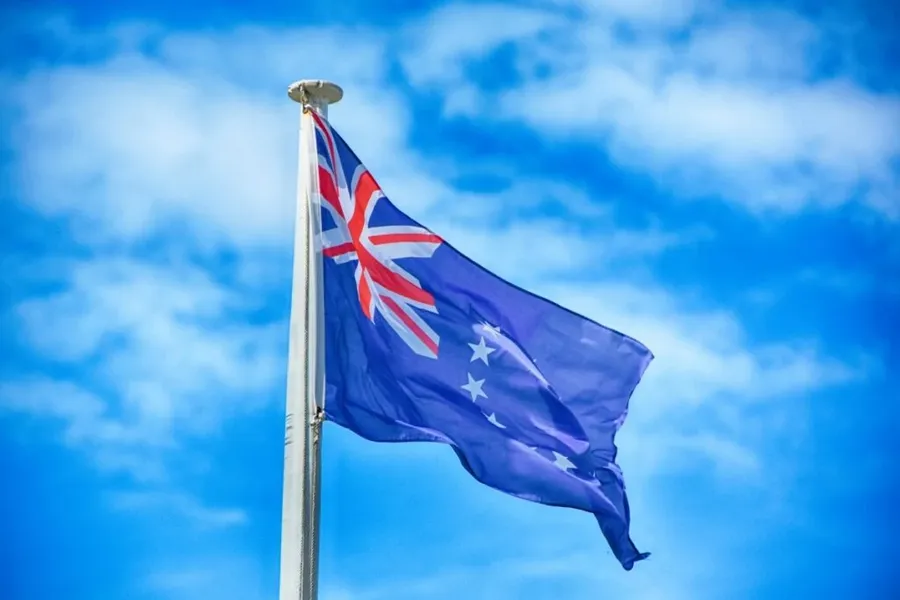
During the late 19th century, when the rush for colonial expansion was underway, the ruling ariki of Avarua, Makea Takau, agreed to British protection due to fears that the French would seize the islands first. The palace where the agreement was made in 1888 can be visited in Avarua today. See the 10 Best Things to Do in Avarua.
As the Cook Islands had little strategic or economic importance to the British, the Cook Islands was annexed to New Zealand in 1901.
World Wars
The next 50 years were relatively quiet in the Cook Islands, as the two world wars unfolded. The USA built airstrips on Penrhyn and Aitutaki during World War II, but otherwise, the islands remained untouched by the war. You can learn more about the USA's influence on Aitutaki at some of Aitutaki's historical sites and at the airport.
Independence
After the war, New Zealand offloaded the Cook Islands as a colony, and in 1965, the Cook Islands became a self-governing state in free association with New Zealand. To learn what that means, check out Who Owns the Cook Islands? The Political Status of the Cook Islands.
In June 1980, a treaty was signed with the US for the Cook Islands to claim the islands of Penrhyn, Pukapuka, Manihiki and Rakahanga. A treaty with France delimited the boundary between the Cook Islands and French Polynesia in 1990.
Editor's Choice
Arataki Organic Garden Tours
Join our Taste of Rarotonga Garden Tour and immerse yourself in the world of regenerative agriculture right in the heart of the Cook Islands. Our unique experience invites you to explore an...
More About the History of Rarotonga and the Cook Islands
That's it for our brief history of Rarotonga and the Cook Islands. For more about the history of the Cook Islands, take a look at the following guides:
- 10 Best Historical Sites in the Cook Islands
- Cyclone Safety in the Cook Islands: How to Prepare for a Cyclone in the Cook Islands
- Who are the People of the Cook Islands?
For more about the culture of the Cooks, be sure to check out A Traveller's Guide to the Cook Islands Culture.

![The Honeymoon & Romantic Getaway Guide to the Cook Islands 🌺 [2025]](https://dupxn8wrxg546.cloudfront.net/media/cook-islands-Couple-Beach-Private-Charter-Cruise-Kutekute-MUST-CREDIT-LINK-CookIslandsPocketGuide.com_-900x506.webp?v=2026-06-27T00%3A51%3A15.582Z)