


1. Mangaia by Domestic Flight – How to Get to Mangaia
The only “real actionable” way to get to Mangaia is via plane (we say “real actionable way” because no one recommends you to take the cargo ship – not even the locals. More on that at the end of this list). Domestic flights with the Cook Islands’ sole domestic carrier are available from Rarotonga with return flights available on Monday, Wednesday and Friday. Flights last approximately 45 minutes from Rarotonga.
The cost of flights to Mangaia are updated in Domestic Flights in the Cook Islands: Your Guide to Interisland Flights.
 © Taniera - Cook Islands Tourism
2. Car Rental – How to Get Around Mangaia
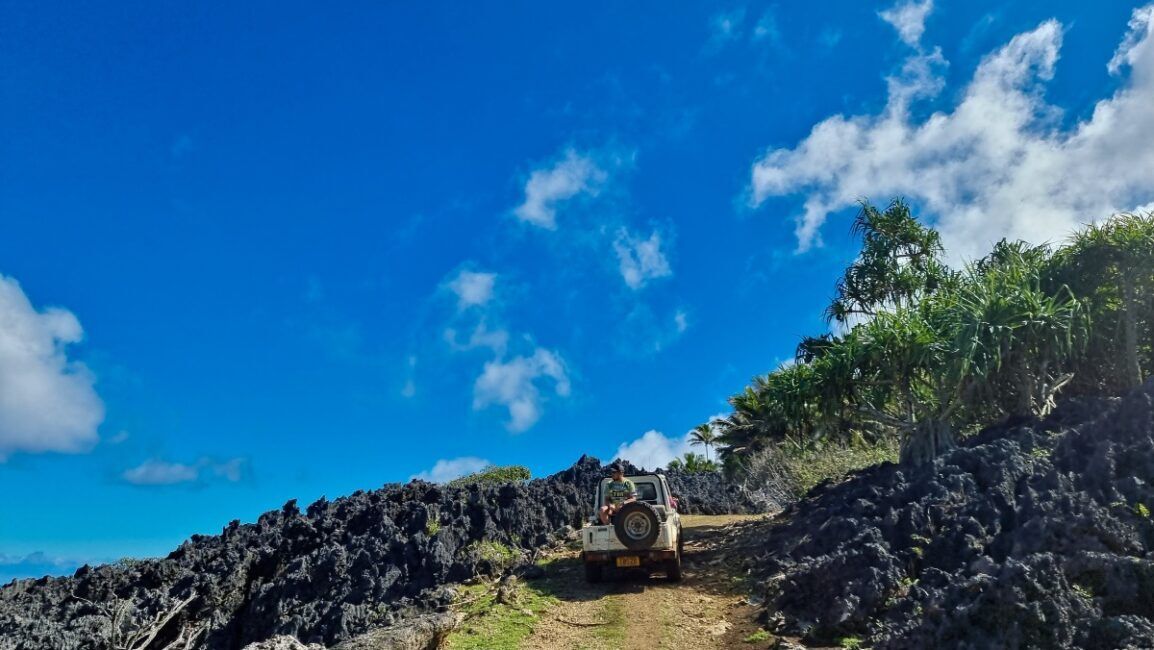
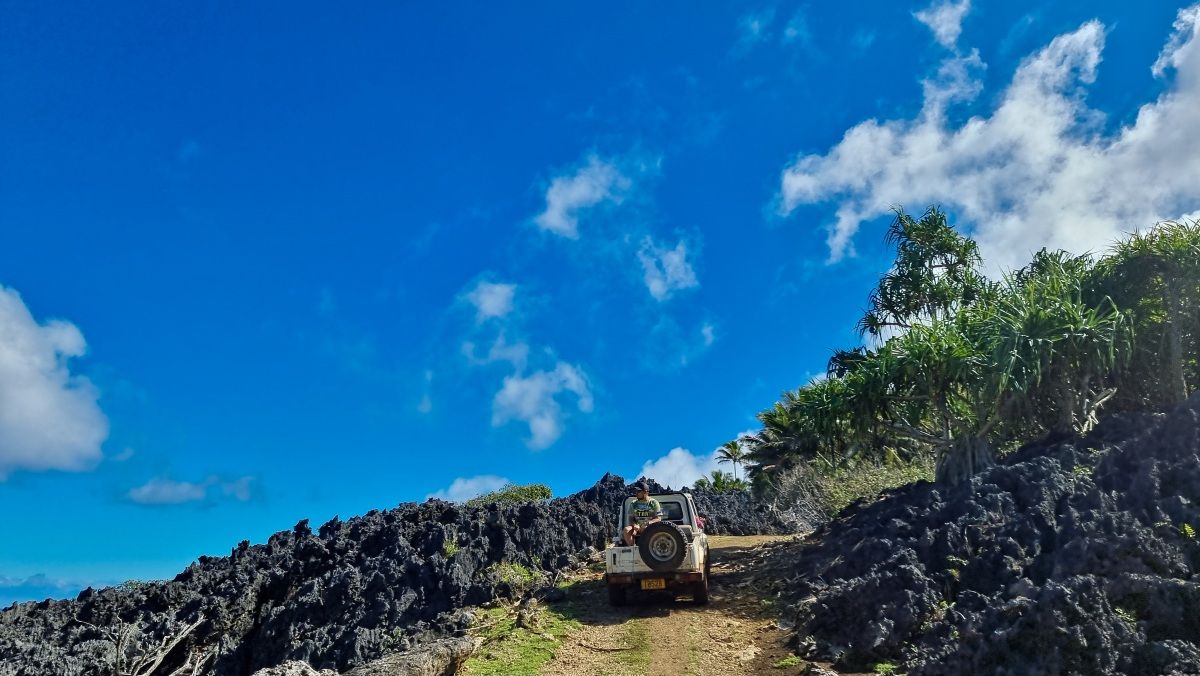
Car is arguably the best way to get around Mangaia independently, as cars are more comfortable on the relatively long unsealed roads, do not require a local driving license, and you won’t get soaked when there’s a tropical downpour. Car rentals are available with accommodations on the island for approximately NZ$80 per day for an SUV. Get more tips for renting a car in our guide, What You Need to Hire a Car in Rarotonga & the Cook Islands.
We also recommend that you become familiar with the local road rules, which we outline in How to Drive in the Cook Islands + 10 Road Rules You Need to Know.
 © Taniera - Cook Islands Tourism
3. Scooter Rental – How to Get Around Mangaia
A popular way to navigate any island in the Cook Islands is by a scooter. Although it has the benefit of costing less than half the daily rental of a car (usually around NZ$30), it is far less comfortable to drive on Mangaia’s predominantly unsealed roads – especially the inland roads. Scooter rentals are available through accommodations and the Te Vai Anga fuel station in Oneroa. Note that scooters may have manual transmission.
A local scooter license is required to legally drive a scooter around Mangaia, which you can pick up from the Police Station in Oneroa at the southern end of the sports field or use the one that you may have picked up on Rarotonga. It is a much easier and cheaper process, however, to obtain here than on Rarotonga (but your license here will be valid on Rarotonga – winner!) Find out more in our guide, How to Get a Rarotonga & the Cook Islands Scooter License.
 © CookIslandsPocketGuide.com
4. Accommodation Transfers (Airport Transfers) – How to Get Around Mangaia
The accommodations on Mangaia either offer complimentary return airport transfers or charge a NZ$20 fee for transfers. Either way, your hosts welcome you with a floral or Mangaian “pupu ei” (shell neck garland). You may also receive a short island orientation tour by your host on arrival.
 © Taniera - Cook Islands Tourism
5. Guided Tours – How to Get Around Mangaia
Another way of getting around Mangaia to see the sights is with a guided tour that includes transport. This also has the added benefit of discovering hidden gems, such as historical marae and caves, that are otherwise impossible or “tapu” to explore on your own. Another benefit is that local guides are more familiar with driving on Mangaia’s dirt and coral roads, particularly crossing through the centre of the island. As guided tours on Mangaia are through locals, rather than a formal tour company, they are best organised through your accommodation once you arrive. See what types of tours are available in the 15 Best Things to Do on Mangaia.
 © Taniera - Cook Islands Tourism
6. Cargo Boat – How to Get to Mangaia
We leave the mention of catching a cargo boat to Mangaia until last because it’s not a recommended way to get to the island but we still like to give you all of your options. Cargo boats in the Cook Islands are notoriously unpredictable, only leaving Rarotonga for the Southern Group and Northern Group islands once or twice a month. If your heart is set on the adventure and you have the time to spare, reach out to Taio Shipping at the Avatiu Wharf on Rarotonga to organise your voyage. More information can be found in our Cook Islands Cargo Ship Guide: How to Use the Ferry for Interisland Travel in the Cook Islands.
 © CookIslandsPocketGuide.com


