
-U%20CREDIT%20CookIslandsPocketGuide.com-1.webp?v=2026-09-22T02%3A24%3A23.285Z)
The Top Dive Sites in Rarotonga
Get your weight belt on because there are a whole lot of dive sites to explore around Rarotonga! From relaxing coral bommies to epic wreck dives to dramatic drop-offs into the deep, there is plenty of variety to be had.
Needless to say, one dive is never enough, so take a look at the sort of underwater expeditions you could be venturing on this list of the best places to dive in Rarotonga!
Note that we have mainly included northern and western dive sites because the southeasterly prevailing wind often makes the south and east coasts unsuitable for diving, and we don't want to raise your expectations too high, now.
Who to Dive With in Rarotonga
Rarotonga has three very competent scuba diving operations and dive shops that can take you to any of the following dive sites with speed, thanks to the multiple boat launch points around Rarotonga. It rarely takes more than 15 minutes to get to a dive site! See who to dive with using the 5 Best Dive Shops & Operators in Rarotonga & the Cook Islands.
This article is based on real on-the-ground research, not on AI scraping old content from the internet. Learn how we use AI!
Table of Contents
1.Edna's Anchor
-U%20CREDIT%20CookIslandsPocketGuide.com-1-900x507.webp?v=2026-09-22T02%3A24%3A14.937Z)
See a perfectly preserved anchor on the seabed in front of Trader Jack’s; not from the nearby Maitai Shipwreck as one might expect, nor from the schooner Edna which later sank in Atiu, but from a much older shipwreck. The dive site is named after the "Edna's Anchor" in honour of its historical connection to the area.
See the anchor between two coral bommies along with all sorts of colourful reef fish. The dive follows a sandy slope lined with coral running alongside.
Most of the dive is around 12-14 m (13.1-15.3 yards), although certified divers can descend deeper depending on their qualification and conditions. At the far end, the sandy slope drops dramatically to around 65 m (71.1 yards), so there is certainly no shortage of blue beneath you!
When we dived here with Dive Rarotonga, we reached a maximum depth of 19.5 m (21.3 yards) during a 51-minute dive and spotted everything from butterflyfish and parrotfish to triggerfish, trumpetfish and wrasse.
Depth: 12-40m (13.1-43.7 yards)
Coast: North coast
2.Goldmine
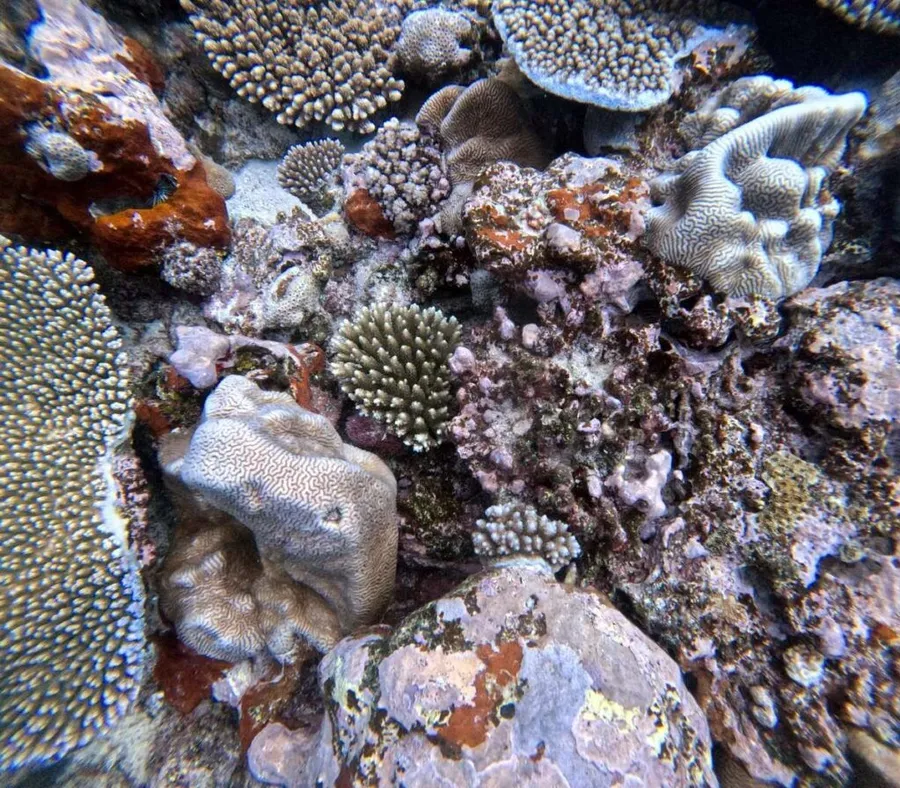
Although there's no gold to be found here (Goldmine is named after the jewellery shop that the dive site sits across from in Avarua), you'll still feel rich after an experience diving with turtles and alongside vibrant coral bommies.
Depth: 15-25m (16.4-27.3 yards)
Coast: North coast
3.Labyrinth (The Maze, Dave's Cave and Blackrock Tunnels)
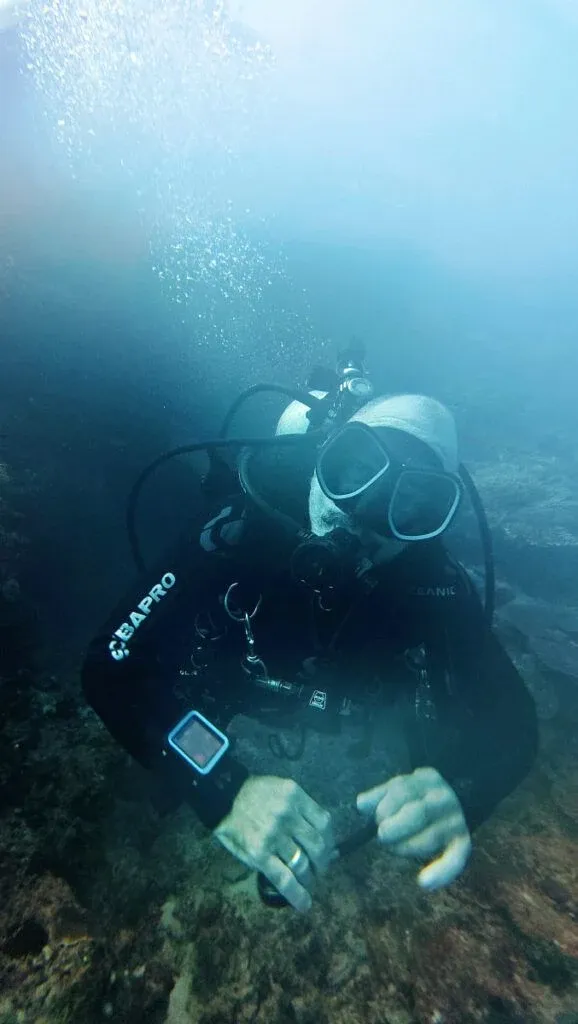
Known by many names, Labyrinth is a shallow dive site featuring a fascinating network of caverns, tunnels, and swim-throughs beneath the surf zone, stretching from the airport runway to Black Rock. Although the dive reaches only about 10 m (10.9 yards) in depth, it should only be attempted in relatively calm sea conditions for safety.
As you explore the labyrinthine passages, keep an eye out for lionfish, shellfish, and crayfish.
Depth: 10 m (10.9 yards)
Coast: West coast
4.MV Mataora Wreck
%20CREDIT%20CookIslandsPocketGuide.com-1-900x507.webp?v=2026-09-22T02%3A24%3A53.134Z)
There are many exciting wreck dives in Rarotonga, with the MV Mataora Wreck arguably being one of the best.
This cargo schooner was purposely sunk to create an artificial reef, though, it got a little scattered in the process when it actually sunk away from its planned position. Nevertheless, you can make the most of it by exploring the surrounding hard corals and investigating its bow and stern, which were originally part of a 45 m (49.2 yards)-long ship.
The site reaches a maximum depth of around 19 m (20.8 yards), making it an accessible wreck dive for suitably qualified divers.
We dived the Mataora with Dive Rarotonga, reaching 19.4 m (21.2 yards) on a 46-minute dive. Along with exploring the wreck itself, we encountered a colourful mix of reef fish including anemonefish, butterflyfish, groupers, Moorish idols, parrotfish, surgeonfish, triggerfish and wrasse.
Depth: 10-25 m (10.9-27.3 yards)
Coast: North coast
Editor's Choice
King Dryden’s Aqua Ventures
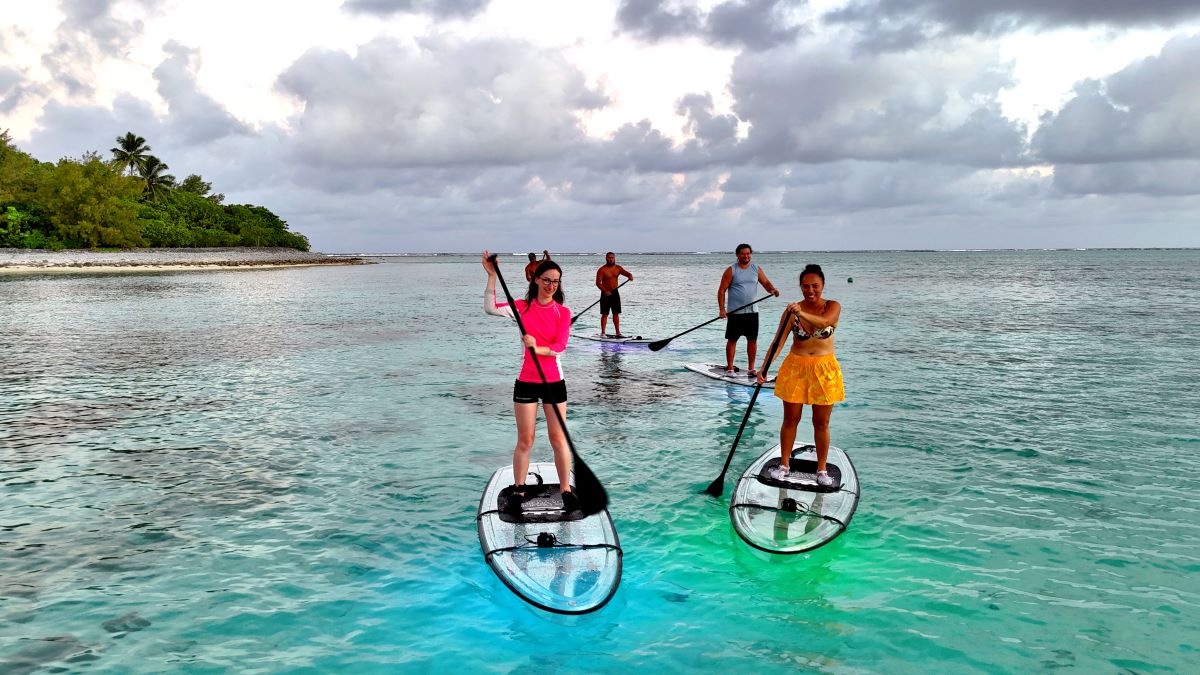
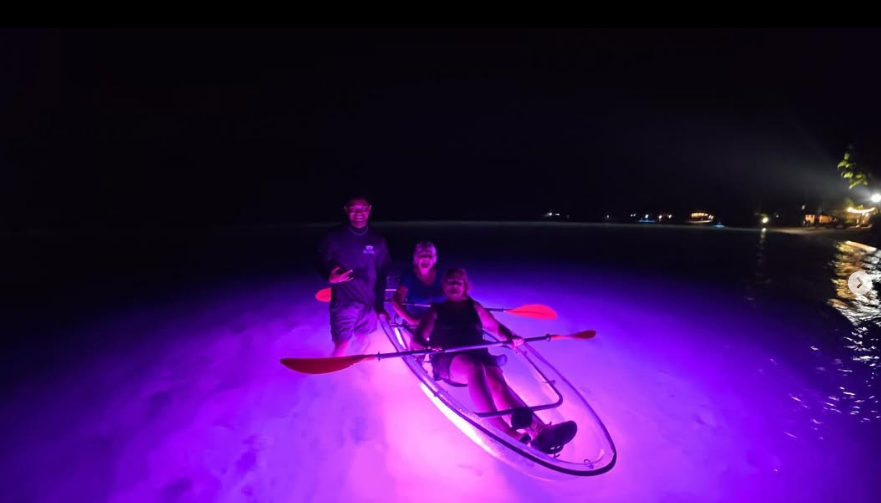
Experience the magic of Muri Lagoon like never before with King Dryden’s Aqua Ventures. Our sunset paddle tour immerses you in Rarotonga’s natural beauty and vibrant life, enhanced by the glowing...
5.Papua Passage
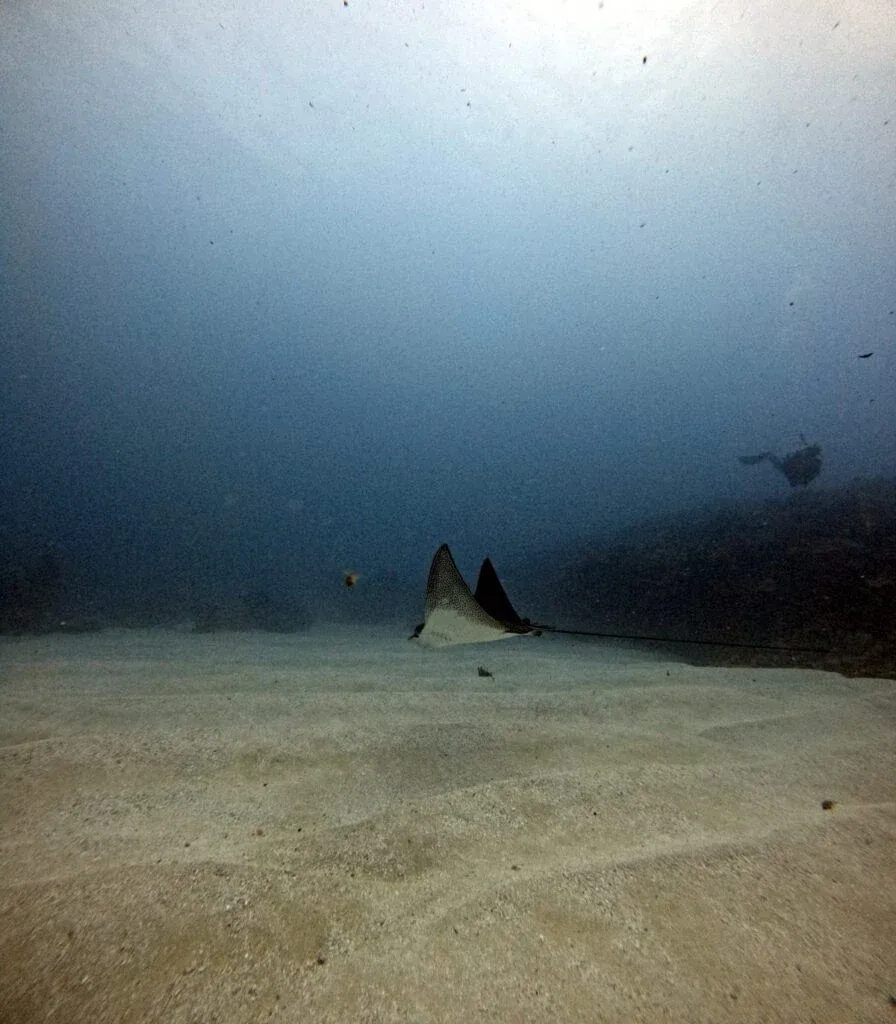
One of the easiest and best dives on the south side of Rarotonga, the Papua Passage offers an excellent chance of seeing eagle rays in large numbers, as well as turtles.
Depth: 12-17 m (13.1-18.6 yards)
Coast: South coast
6.Black Rock
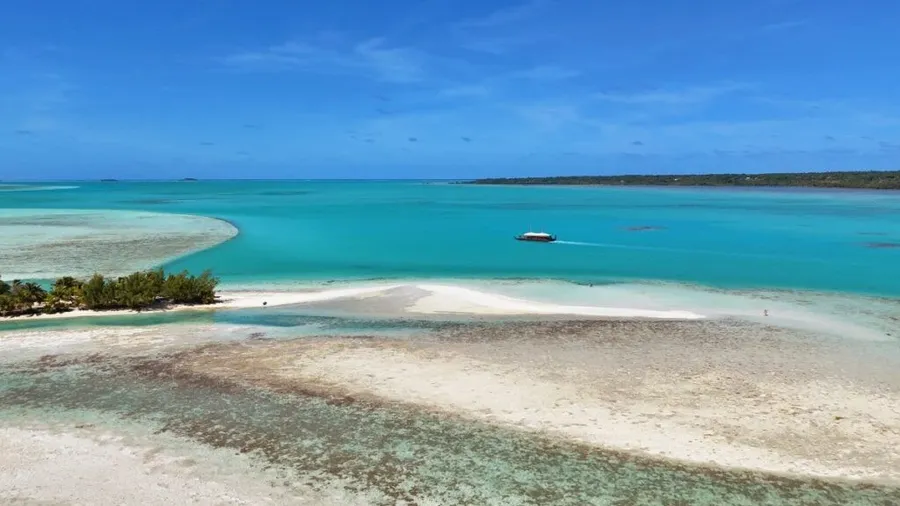
Located right in front of the also popular snorkelling site, Black Rock features a series of reef plateaus rising from the sea bed. Dive among healthy coral bommies on this dive with interesting swim-throughs.
Depth: 12-28 m (13.1-30.6 yards)
Coast: West coast
7.Avaavaroa Drop-Off
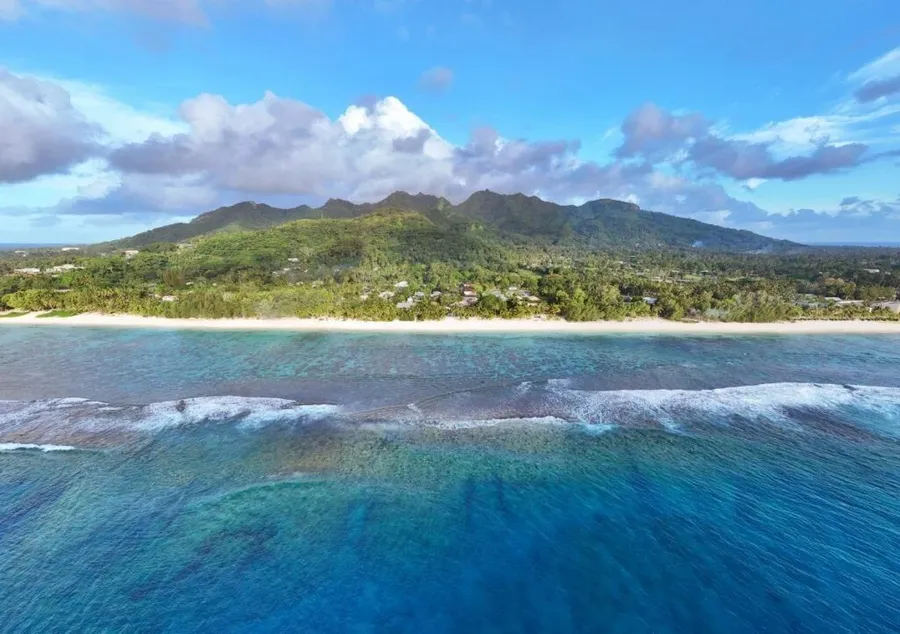
One of the best of many drop-off dives on Rarotonga, the Avaavaroa Drop-Off is an impressive dive where you swim along a sand channel to the drop-off into the deep blue along with amazing sharks, eagle rays, schools of tuna, lionfish, parrotfish and much more!
Depth: 16-40m (17.5-43.7 yards)
Coast: South coast
8.Matavera Wall
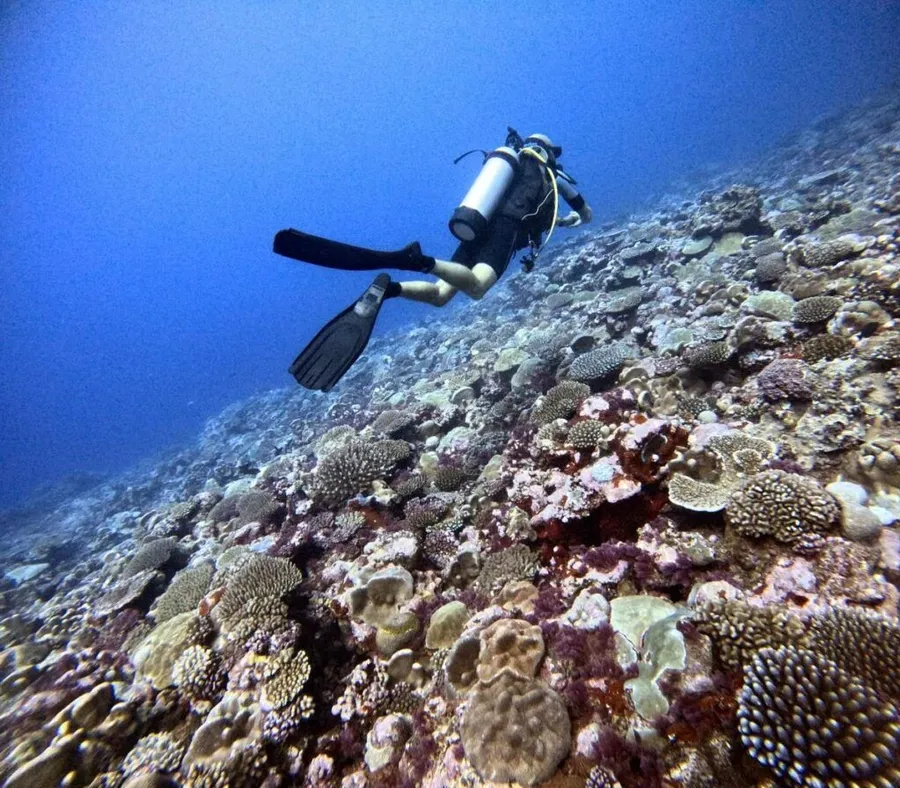
Located on Rarotonga’s east coast, Matavera Wall is a fun and relatively easy drop-off dive, starting at around 12 m (13.1 yards) and descending to about 35 m (38.3 yards) before sloping off into the deep blue. Keep an eye out for moray eels, scorpionfish, turtles, and more.
While the East Coast has fewer dive sites compared to the North and South, it offers spectacular drop-offs and vibrant marine life. Conditions here can often be rough, but when the sea is calm, east coast dives are a favourite among experienced divers.
You can also pair this dive with nearby Matavera Point, which drops even further to around 40 m (43.7 yards).
Depth: 12-30m (13.1-32.8 yards)
Coast: East coast
Editor's Choice
Green Turtle Tours
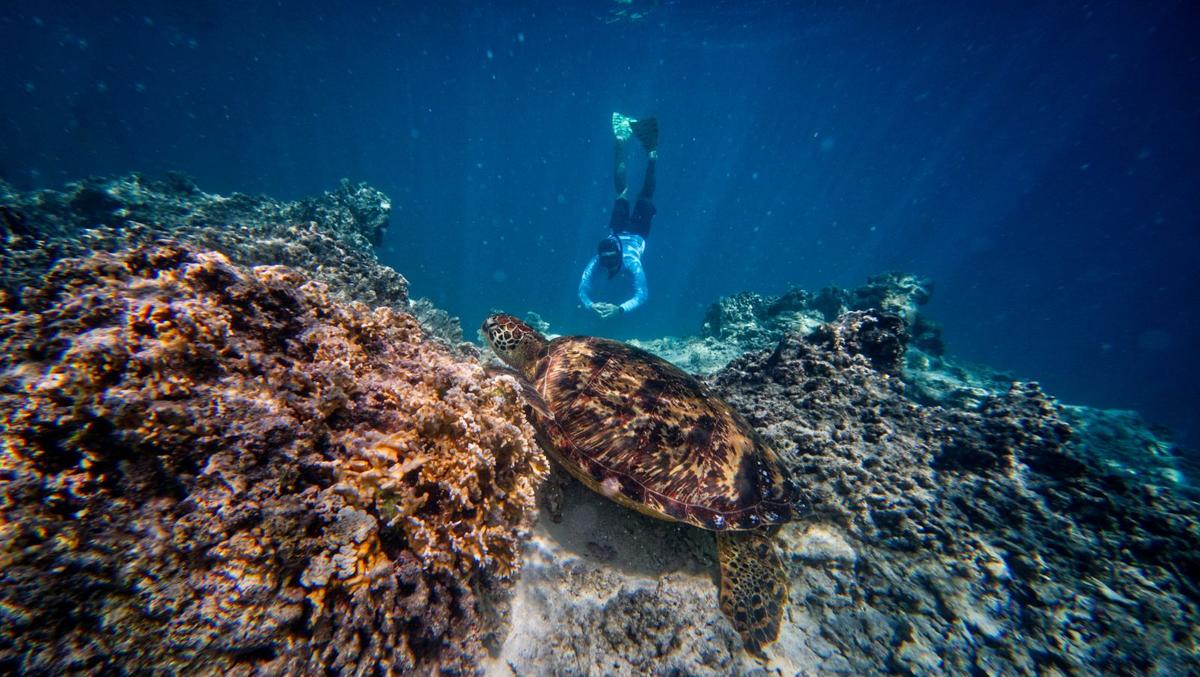
Dive into an exclusive turtle swimming adventure in the Ava'avaroa Passage! Our private tours offer you personalised, intimate encounters with majestic green turtles in their natural habitat....
9.Maritime Reefer Wreck
Another wreck purposely sunk to create an interesting dive site and artificial reef, the FV Maritime Reefer is scattered all over the place due to storm damage, but you can still make out the stern, rudder and propeller. All the usual marine suspects are here to see, including lionfish, moray eel and the occasional shark.
Depth: 8-12 m (8.7-13.1 yards)
Coast: West coast
10.Sunset Reef and Lava Tubes
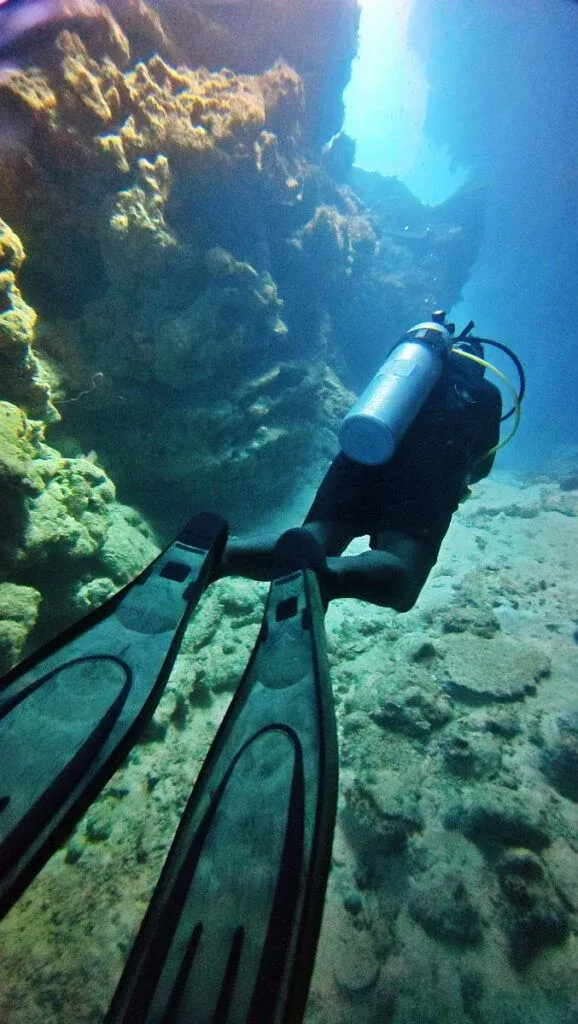
A dive site in Rarotonga enjoyed by all, Sunset Reef or Sunset Lava Tubes is a large coral shelf sitting 5 m (5.5 yards) to 18 m (19.7 yards) below the surface. There are lava tunnels and swim-throughs to explore where you'll find nudibranchs, lionfish, scorpionfish, anemones and cowrie shells.
Depth: 5-25 m (5.5-27.3 yards)
Coast: West coast
15 More Dive Sites and Places to Dive in Rarotonga
Now that we have gone through our top picks for epic dive sites in Rarotonga. The best of the rest include:
- Ngatipa - North Coast, 10–28 m (10.9–30.6 yards)
- Maitai Shipwreck - North Coast, 10 m (10.9 yards)
- Avatiu Drop Off - North Coast, 12–40 m (13.1–43.7 yards)
- Panama - North Coast, 15–22 m (16.4–24.1 yards)
- Swiss Reef - North Coast, 12–20 m (13.1–21.9 yards)
- Runway - West Coast, 18–26 m (19.7–28.4 yards)
- Arorangi Passage - West Coast, 12 m (13.1 yards)
- Arorangi Drop Off - West Coast, 20–30 m (21.9–32.8 yards)
- Pinnacles - South Coast, 20–30 m (21.9–32.8 yards)
- Rutaki Passage - South Coast, 20–29 m (21.9–31.7 yards)
- Rutaki Drop-Off - South Coast, 20 m+ (21.9 yards+)
- Papua Drop-Off - South Coast, 12–40 m (13.1–43.7 yards)
- Queens Reef - South Coast, 18–25 m (19.7–27.3 yards)
- Ngatangiia School - East Coast, 12–30 m (13.1–32.8 yards)
- Tupapa Sand River - East Coast, 18–35 m (19.7–38.3 yards)
More About Scuba Diving in Rarotonga
Sounds like a sweet scuba diving trip, right? Now plan the rest of your scuba journey using the following guides:
- The Best Time to Dive in Rarotonga & the Cook Islands
- Learn to Dive in the Cook Islands: A Guide to Scuba Diving Certifications
- The Best Scuba Diving in Aitutaki: Top 20 Places to Scuba Dive.
Finally, plan all the logistics of your trip to Rarotonga using The Complete Travel Guide to Rarotonga and find more experiences using the 50 Best Things to Do on Rarotonga.

![The Top Events & Festivals in the Cook Islands [2023]](https://dupxn8wrxg546.cloudfront.net/media/cook-islands-c-Tabby-Berg-_-Round-Rarotonga-Road-Race-2020-5-900x461.webp?v=2026-06-19T17%3A34%3A33.524Z)