


1. Labyrinth (Dave’s Cave, The Maze and Blackrock Tunnels)
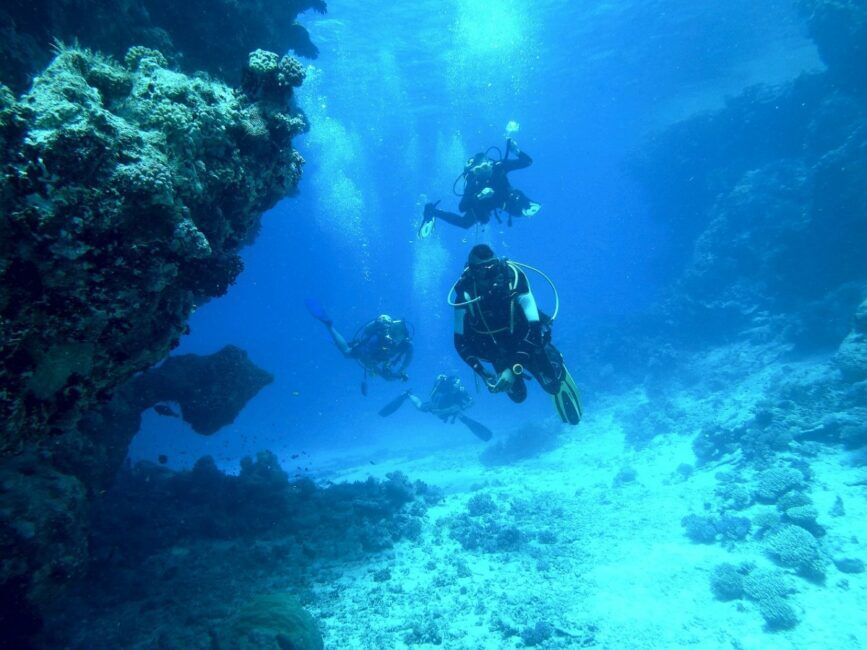
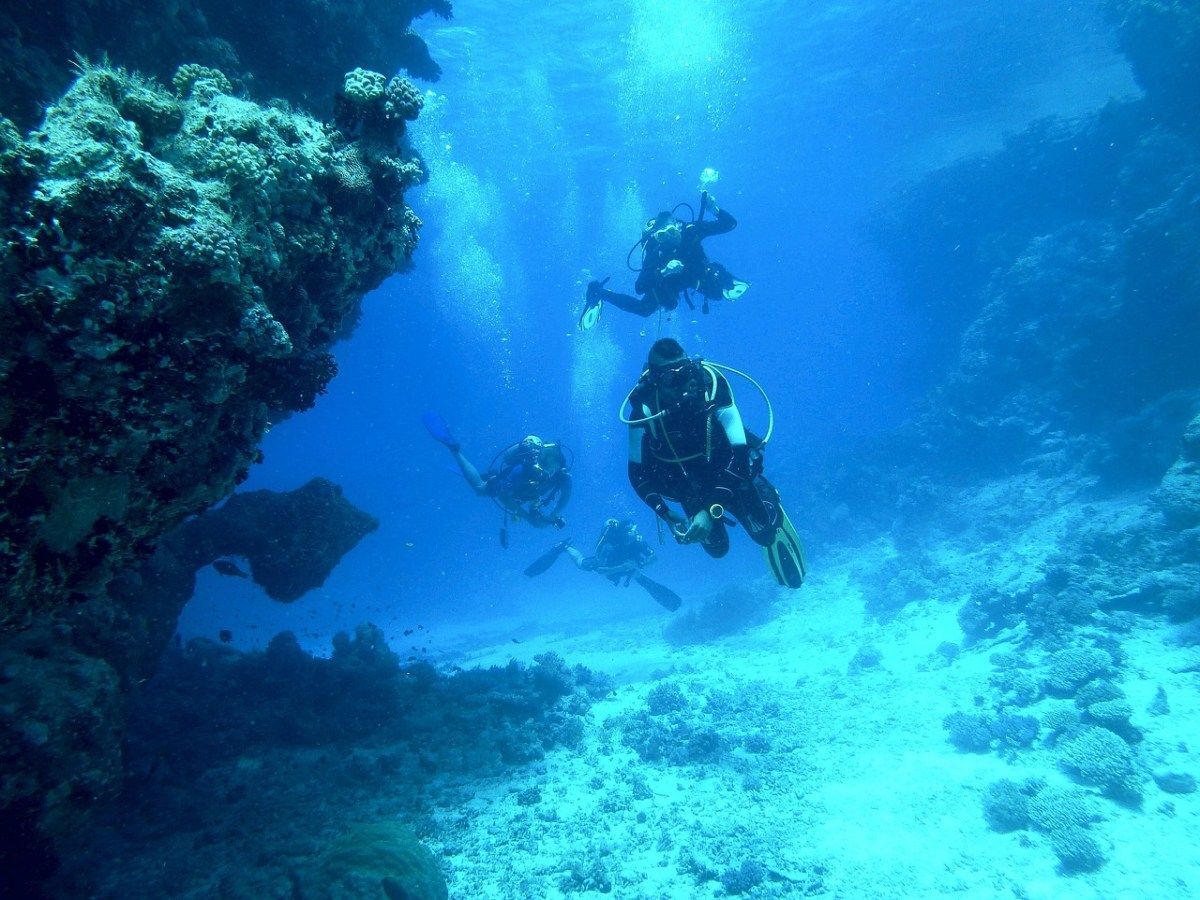
Going by many names, Labyrinth is a shallow dive that goes through a cave system underneath the surf zone that stretches from the airport runway to Black Rock on Rarotonga. Although the dive is shallow at 10m (33ft), it can only be done safely in relatively calm seas. Once you’re in the cave system, enjoy spotting lionfish, shellfish, crayfish and more.
Island: Rarotonga
Coast: West coast
 © Dive Rarotonga - Cook Islands Tourism
2. Arutanga Passage
Despite being the passage with the most boat traffic on the Aitutaki Lagoon, the Arutanga Passage is lined with amazing hard and plated corals. Home to parrotfish, angelfish and emporers within easy sight, a closer look will bring you across moray eels nestled in the crevasses of the canyon walls. In the currents, expect to see eagle rays and turtles swimming by, as well as the off reef shark toward the end of the passage. Depths range from 8m to 31m (26ft to 102ft).
Island: Aitutaki
Coast: West coast
 © Taniera - Cook Islands Tourism
3. MV Mataora Wreck
There are many exciting wreck dives in Rarotonga, with the MV Mataora Wreck arguably being one of the best. This cargo schooner was purposely sunk to create an artificial reef, so make the most of it by exploring the surrounding hard corals and investigating its bow and stern that was originally part of a 45m (148ft)-long ship.
Island: Rarotonga
Coast: North coast
 © Dive Rarotonga - Cook Islands Tourism
4. Ednas Anchor
See a perfectly preserved anchor on the seabed in front of Trader Jack’s, which is surprisingly not from the nearby Matai Shipwreck but the schooner, Edna, which later sunk in Atiu. See the huge anchor between two coral bommies along with all sorts of colourful reef fish. The dive follows a sandy slope lined with coral running alongside. Most diver levels can enjoy the dive until it gets to the ultra-deep sandy drop-off that drops dramatically to 65m (213ft).
Island: Rarotonga
Coast: North coast
 © Dive Rarotonga - Cook Islands Tourism
5. Black Rock (Aitutaki)
Not to be confused with the famous Black Rock of Rarotonga, Aitutaki’s Black Rock dive site is actually a wreck dive! This sunk barge on the west side of the lagoon, an easy boat ride from Arutanga, harbours all sorts of colourful pink and purple coral. In between is an array of butterflyfish, empowers and even large Napolean wrasse and barracuda as you reach the 20m (66ft) mark. Like most of the Aitutaki dive sites, there’s always likely to be a turtle to bubble “Kia Orana” to.
Island: Aitutaki
Coast: West coast
 © CookIslandsPocketGuide.com
6. Goldmine
Although there’s no gold to be found here (Goldmine is named after the jewellery shop that the dive site sits across from in Avarua), you’ll still feel rich after an experience diving with turtles and alongside vibrant coral bommies. Depths are from 15m to 25m (49-82ft).
Island: Rarotonga
Coast: North coast
 © Taniera - Cook Islands Tourism
7. Sunset Reef and Lava Tubes
A dive site in Rarotonga enjoyed by all, Sunset Reef or Sunset Lava Tubes is a large coral shelf sitting 5m (16ft) to 18m (59ft) below the surface. There are lava tunnels and swim-throughs to explore where you’ll find nudibranchs, lionfish, scorpionfish, anemones and cowrie shells.
Island: Rarotonga
Coast: West coast
 © DH - Cook Islands Tourism
8. Avaavaroa Drop-Off
One of the best of many drop-off dives on Rarotonga, the Avaavaroa Drop-Off is an impressive dive where you swim along a sand channel to the drop-off into the deep blue along with amazing sharks, eagle rays, schools of tuna, lionfish, parrotfish and much more! The depths on this dive range from 16m to 40m (52-131ft).
Island: Rarotonga
Coast: South coast
 © Taniera - Cook Islands Tourism
9. Papua Passage
One of the easiest and best dives on the south side of Rarotonga, the Papua Passage offers an excellent chance of seeing eagle rays in their masses, as well as turtles. The depths on this dive range from 12m to 17m (39-56ft).
Island: Rarotonga
Coast: South coast
 © Taniera - Cook Islands Tourism
10. Nurau Hohle
We leave the most adventurous to last! Nurau Hohle is a sinkhole leading down to a cave with an underground lake on the island of Atiu. It’s estimated that you can dive 50m (164ft) deep. Needless to say, you’ll need to be an experienced cave diver with your own equipment, as there are no scuba diving services on the island. Learn more about Atiu’s creepy caves in the 5 Best Caves on Atiu.
Island: Atiu
Coast: East coast
 © Kieran Scott - Cook Islands Tourism


