


 © CookIslandsPocketGuide.com
How to Get to Suwarrow
With no airstrip and no frequent boat service, Suwarrow is extremely difficult to get to. The only options to travel to Suwarrow is via private yacht or on the extremely infrequent cargo ship from Rarotonga.
Sailing Yachts to Suwarrow
Most who visit Suwarrow do so via private yacht. Although Suwarrow is not an official port of entry in the Cook Islands, you are technically still allowed to anchor at Suwarrow if you have provided a “Cook Island border agencies application for marine craft to arrive at or depart from a place outside of a designated Customs port” application via email. You will still go through a clearance process and pay the appropriate fees. The only anchorage permitted for visiting yachts is within the lagoon on the south side of Anchorage Island. Learn more about visiting the Cook Islands via yacht in our Sailing Guide to Rarotonga & the Cook Islands: Tips for Yachting in the Cook Islands.
Cargo Ships to Suwarrow
Extremely infrequent, cargo boats typically visit Suwarrow when bringing supplies to the caretakers and/or dropping a new caretaker off at the island. If you’re on one of these cargo ships, you are likely to have time to visit Anchorage Island while they unload the ship. Learn more about shipping in the Cook Islands in our Cook Islands Cargo Ship Guide: How to Use the Ferry for Interisland Travel in the Cook Islands .
For more advice on planning your travels to Suwarrow, check out the Northern Cook Islands Transport Guide: 7 Ways to Get to (& Around) the Northern Group.
 © Pxhere.com
Where to Stay in Suwarrow
Well, unless you’re one of the two caretakers of the national park, you’re extremely unlikely to get permission to stay in Suwarrow itself. Permission must be obtained from the Cook Islands Government.
Those with yachts are permitted to stay on their yachts at the anchorage at Anchorage Island. Although visitors from yachts (and passing cargo ships) are able to set food on Anchorage Island throughout the day, they must leave the island by 7pm unless a later time is granted by the caretakers.
Needless to say, there is no accommodation or places to stay in Suwarrow apart from the cyclone shelter than is occupied by the national park’s caretakers.
 © CookIslandsPocketGuide.com
The History of Suwarrow
If you’re wondering what Suwarrow is famous for, you only need to look at the island’s history.
How Suwarrow Got its Name
Pre-European times, Suwarrow was visited by Polynesian voyagers and perhaps settled, as the evidence of camps suggests. But no one was on the island by the time the Russian ship, Suvorov, visited by following a “cloud of birds” in 1814. And so the island was named after the ship and General Alexander Suvorov, spelt later in English as “Suwarrow”.
Suwarrow, the Treasure Island
In the mid-19th century, Suwarrow gained a reputation as the “Treasure Island“. After an American whaler ship, Gem, wrecked on the reef, a salvage ship discovered a buried “chest” containing some $22,000 (now US$5 million) in coins. Then in 1876, a New Zealander unearthed Spanish coins dating back to the 1600s.
Pearls, Coconuts and World War Two
The 20th century came with an attempt to farm pearls in the lagoon (which wasn’t a success) and coconuts on the islands. But after a devastating termite infestation occurred, the industry was scrapped. New Zealand coastwatchers were also stationed here in World War Two with the remains of their buildings still visible on Anchorage Island to this day.
Books About Suwarrow
In more recent history, Suwarrow’s claim to fame has been the subject of writings about life on a deserted island. American travel writer Robert John Frisbie and his children spent almost a year living in Suwarrow, whose story including surviving a devastating cyclone can be read in The Island of Desire. He also wrote The Book of Puka-Puka, which are more stories from the Cook Islands. The book inspired the writings of New Zealander, Tom Neale, who lived on Suwarrow at three separate times during his lifetime for a total of 15 years between 1952 and 1977. His works can be read in An Island to Oneself.
When Did Suwarrow Become a National Park?
The story of Suwarrow is finally up to date with the island becoming a national park in 1978. The island and its surroundings are now Crown Land under the jurisdiction of the Cook Islands Government.
 © CookIslandsPocketGuide.com
Suwarrow National Park + Things to Do on Suwarrow
Nowadays, Suwarrow is famous for its abundance of wildlife as a protected national park in the Cook Islands. Revelling in its nature is the main thing to do here, which you can learn and engage in if you show interest to the caretakers/park rangers on the island.
Birdwatching on Suwarrow
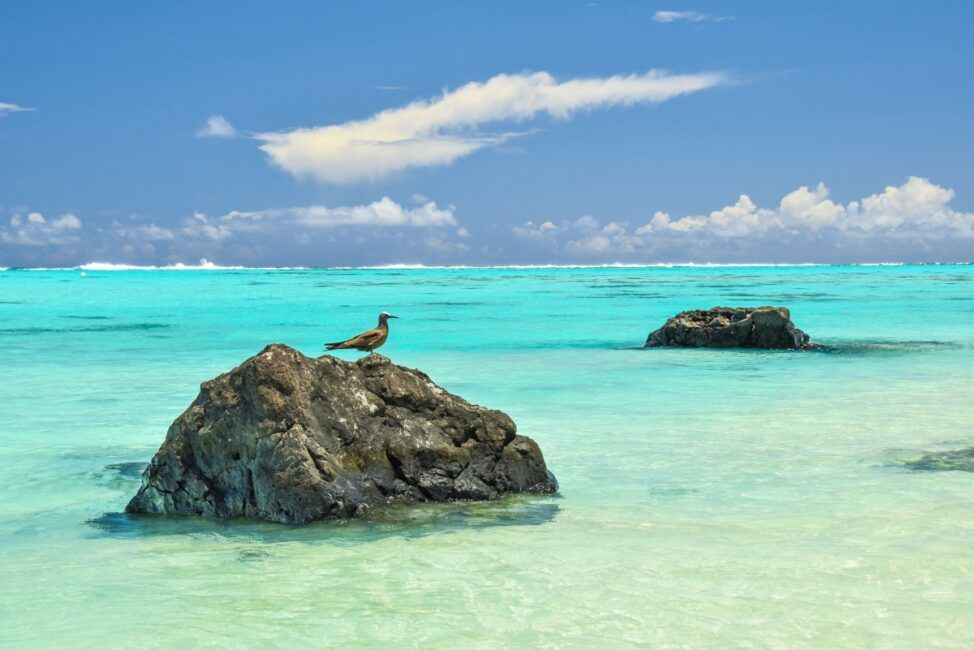
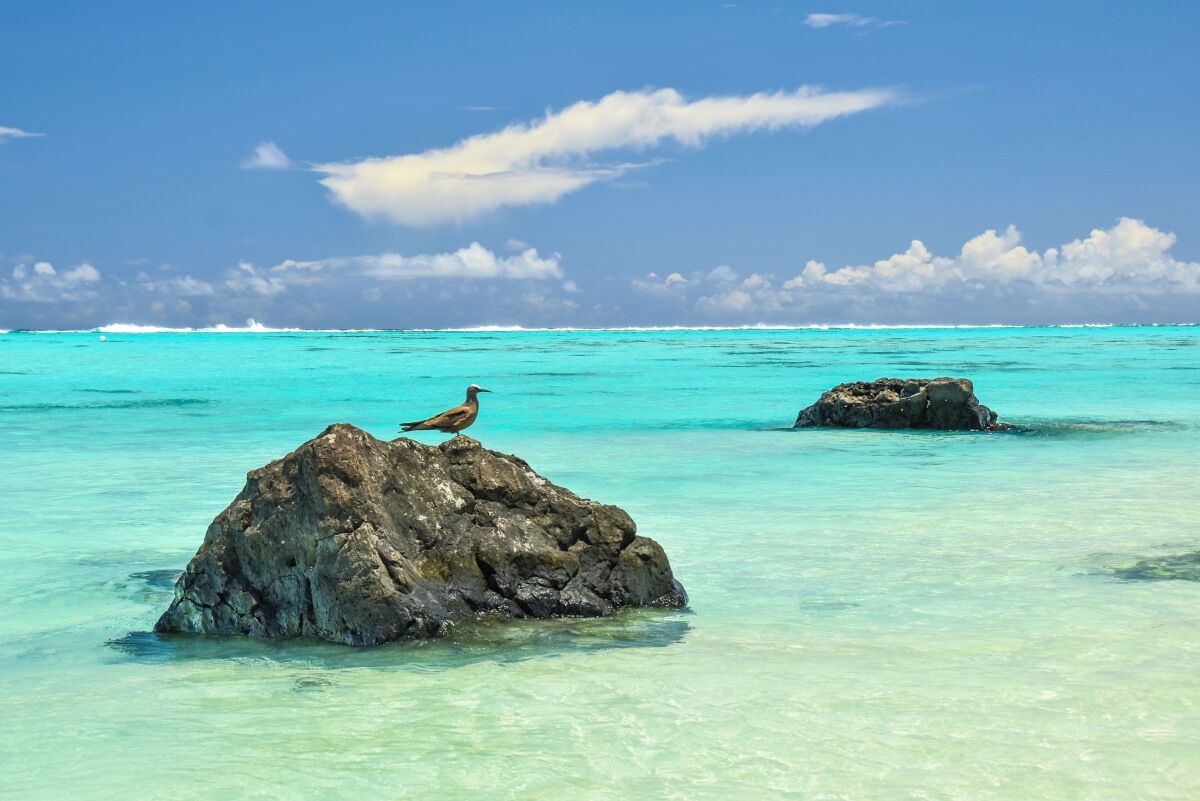
Suwarrow is one of the most important breeding grounds for around 10 species of seabird, many of which can be seen circling the skies over the lagoon’s islands. Approximately 3% of the world’s red-tailed tropicbirds breed here, while around 9% of lesser frigate birds nest on the aptly named Gull Islands. Suwarrow is also home to around 80,000 sooty terns (more or less; the caretakers will be able to provide you with the most recent numbers, as that’s a core part of their job on the island).
Snorkelling and Diving on Suwarrow
Marine life also thrives in and around Suwarrow, providing sanctuary for green turtles and coconut crabs that come onto land. Meanwhile, in the ocean, you have batfish, starfish, moorish idols and grouper seen when snorkelling to the coral rock protruding in the lagoon. Outside of the reef are giant trevally, barracuda, reef sharks and manta rays.


