

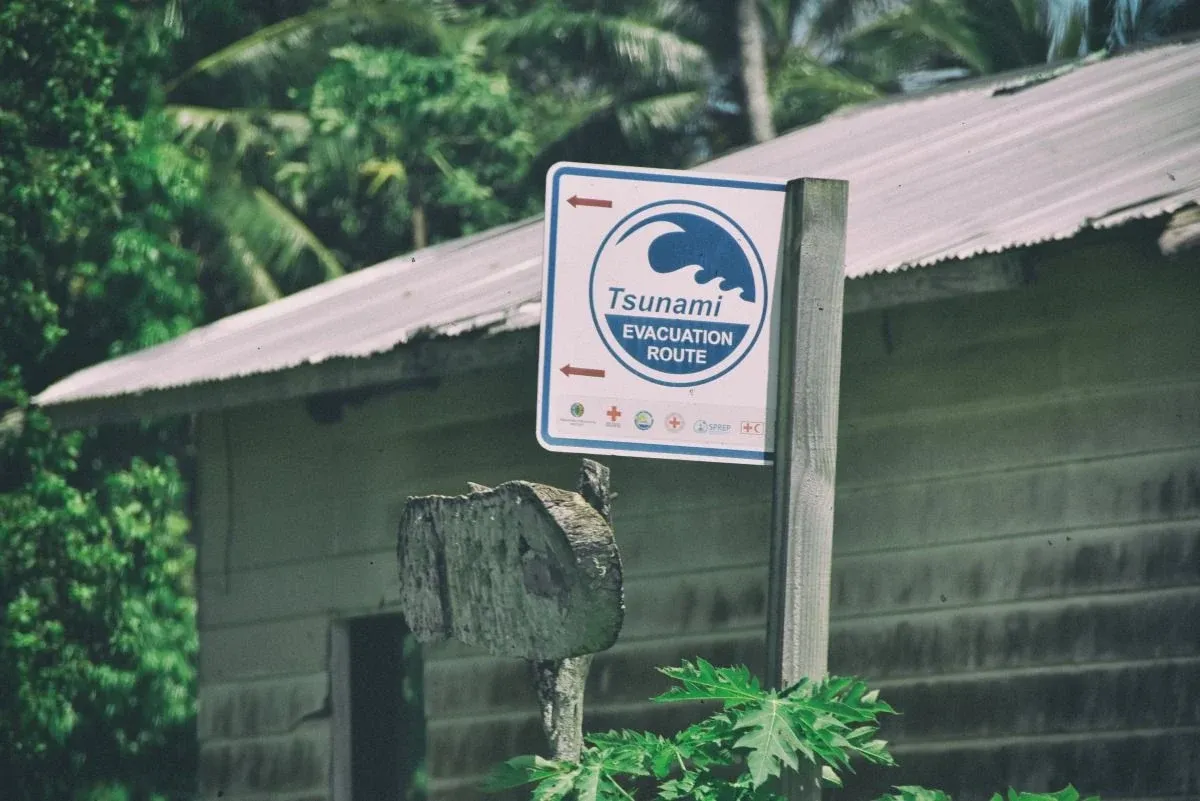
A Traveller’s Guide to Earthquakes and Tsunamis in Rarotonga and the Cook Islands
The Cook Islands sits on one of the most active regions for earthquakes in the world, the South Pacific Rim. This means that the country is vulnerable to environmental hazards, such as earthquakes, tsunamis and cyclones. However, compared to other countries, the Cook Islands is rarely affected by earthquakes and tsunamis, so it shouldn’t be a deterrent for travellers to explore these beautiful islands.
Nevertheless, there are ways you can prepare yourself for natural disasters, which we’ll outline in this guide to earthquakes and tsunamis in Rarotonga and the Cook Islands.
For more information on cyclones, see our complete guide, A Guide to Cyclone Safety in the Cook Islands. More safety advice can be found in Is it Safe to Travel to Rarotonga & the Cook Islands? - Cook Islands Safety Tips.
This article is based on real on-the-ground research, not on AI scraping old content from the internet. Learn how we use AI!
Table of Contents
Facts About Earthquakes and Tsunamis in the Cook Islands
- The Cook Islands sits approximately 1,600 km (995 mi) from the active earthquake zone of the Tonga Trench.
- Since 1865, only two tsunamis have been recorded in the Cook Islands.
- Most earthquakes that may affect the Cook Islands actually occur on the ocean floor in surrounding countries.
- There have been no recorded deaths from tsunamis in the Cook Islands.
Earthquakes in the Cook Islands
With the Cook Islands situated near the Pacific Rim of Fire, they are prone to experiencing the effects of earthquakes.
However, the Cook Islands sits between the Tonga Trench to the west and various fault lines to the east in French Polynesia so doesn't typically experience earthquakes within the country's boundaries.
Most earthquakes occur on the ocean floor in surrounding countries, making tsunamis a greater concern than earthquakes themselves.
Tsunamis in the Cook Islands
Tsunamis pose the most significant danger to the Cook Islands following earthquakes. Still, they can also be triggered by landslides, volcanic eruptions, and other events that rapidly displace a large volume of water.
Since 1865, there have been only two recorded tsunamis in the Cook Islands, which is very rare compared to other South Pacific countries. One of the most impactful events occurred in November 1865, with waves reportedly reaching up to 2 m (2.2 yards) high. There were no recorded deaths.
The Cook Islands has managed to pass by relatively unscathed after recent tsunami threats in the South Pacific, such as the 2009 Samoa tsunami and the 2022 Tonga volcanic eruption and tsunami.
Regardless of the Cook Islands' relatively fortunate past regarding tsunamis, local authorities monitor any tsunamis that occur in the South Pacific and put tsunami warnings and procedures in place when there is a risk.
How to Prepare for a Tsunami in the Cook Islands
A warning is usually given when a tsunami is about to hit land, but tsunamis happen quickly and require swift action. There are a few ways you can prepare for a tsunami in the Cook Islands, which include:
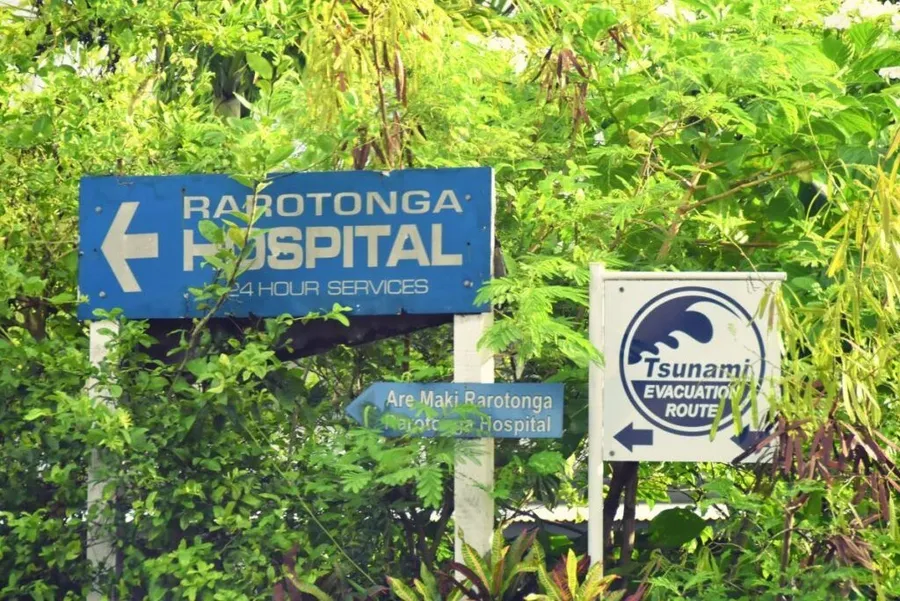
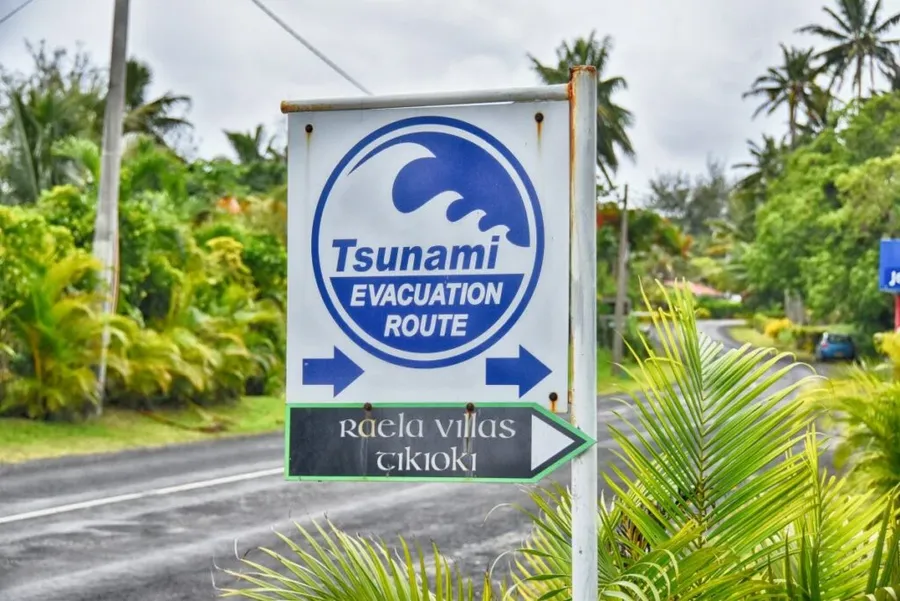
- Being aware of the tsunami evacuation maps for where you’re staying.
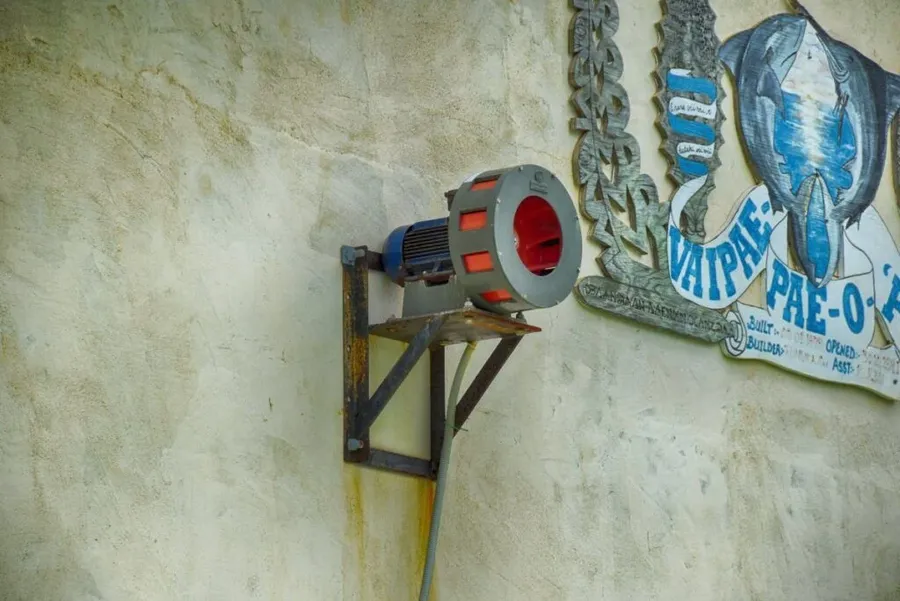
- Listening out for tsunami warnings emitted through loudspeakers and sirens, through radio, TV, online on news websites and the Cook Islands Meteorological Service website.
What to Do if a Tsunami Warning is Issued
Tsunami warnings can be issued through sirens, loudspeakers and news media in the South Pacific. Other signs of a tsunami may include a strong earthquake, the ocean receding, and/or hearing unusual roaring sounds from the sea. If any of these signs occur, follow the appropriate steps:
- If you see signs of a tsunami before a tsunami warning is issued, act immediately.
- If you’re on the coast, move inland and to higher ground.
- Head to areas as advised on tsunami evacuation maps and or follow tsunami evacuation signage.
After a tsunami, continue listening to the media for announcements. Only move back into the affected areas when authorities have said it is safe to do so.
Frequently Asked Questions About Earthquakes, Tsunamis and Natural Disasters in the Cook Islands
What are the most asked questions about earthquakes, tsunamis and natural disasters in the Cook Islands? If you have questions about cyclones, head to Cyclones in the Cook Islands: A Guide to Cyclone Safety in the Cook Islands. Otherwise, here are some questions answered.
Are There Tsunamis in Cook Islands?
There is a risk of tsunamis in the Cook Islands. However, there have only been a few recorded tsunamis in the past 150 years. Neither had deaths been recorded.
Is Cook Islands a Volcanic Island?
Some of the islands in the Cook Islands are volcanic islands and/or have been created due to volcanic activity. There have been no recorded volcanic eruptions in the Cook Islands in recent history.
Does Rarotonga Have Earthquakes?
Rarotonga does not tend to experience earthquakes. The island sits between two countries that experience earthquakes, Tonga and French Polynesia, which could produce tsunamis that threaten Rarotonga. However, the island itself has not experienced earthquakes in recent history.
Has Rarotonga Ever Had a Tsunami?
Rarotonga experienced a tsunami in November 1865, with waves reportedly reaching up to 2m (2.2 yards) in height. The 22 May 1960 Chile earthquake caused tidal surges that only had a real consequence on the harbours of Avarua and Avatiu. Rarotonga has not experienced a seriously impactful tsunami in recent history.
Is Rarotonga at Risk From Tsunami?
Rarotonga is at risk from tsunamis, primarily due to earthquakes and volcanic eruptions that could occur along the Pacific Rim of Fire.
When was the Last Tsunami in Cook Islands?
The last reported tsunami to hit the Cook Islands was in November 1865, when waves reached up to 2 m (2.2 yards) in height. There have not been any tsunamis as impactful in recent history.
Editor's Choice
Jamie's Aitutaki Tours
Jamie's Aitutaki Tours offers something you won't find in any brochure: a genuine, unhurried day spent getting to know Aitutaki through the eyes of someone who truly loves it. Whether you're...
More About Earthquakes and Tsunamis in the Cook Islands
That's it for our guide to earthquakes and tsunamis in the Cook Islands. For more about natural disasters and safety tips, head to the following articles:
- Cyclones in the Cook Islands: A Guide to Cyclone Safety in the Cook Islands
- Is it Safe to Travel to Rarotonga & the Cook Islands? - Cook Islands Safety Tips
- Is the Water Safe to Drink in Rarotonga & the Cook Islands?
For more tips for travelling in the Cooks, head to our Cook Islands Travel Tips: 30 Tips for Travelling in Rarotonga & the Cook Islands.

![The Honeymoon & Romantic Getaway Guide to the Cook Islands 🌺 [2025]](https://dupxn8wrxg546.cloudfront.net/media/cook-islands-Couple-Beach-Private-Charter-Cruise-Kutekute-MUST-CREDIT-LINK-CookIslandsPocketGuide.com_-900x506.webp?v=2026-06-27T00%3A51%3A15.582Z)